Review
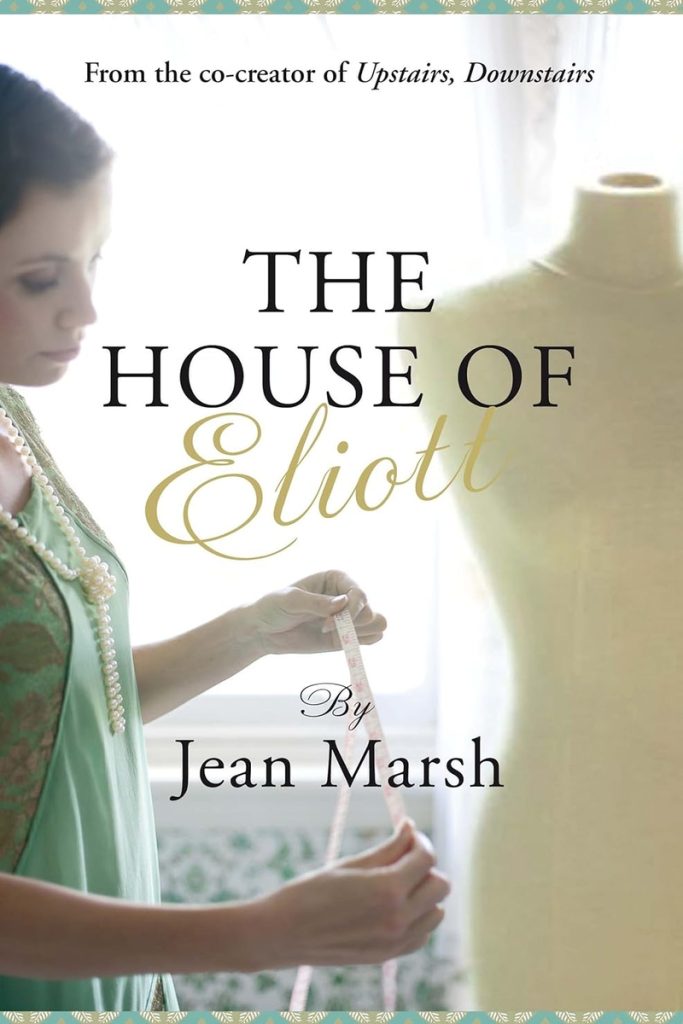
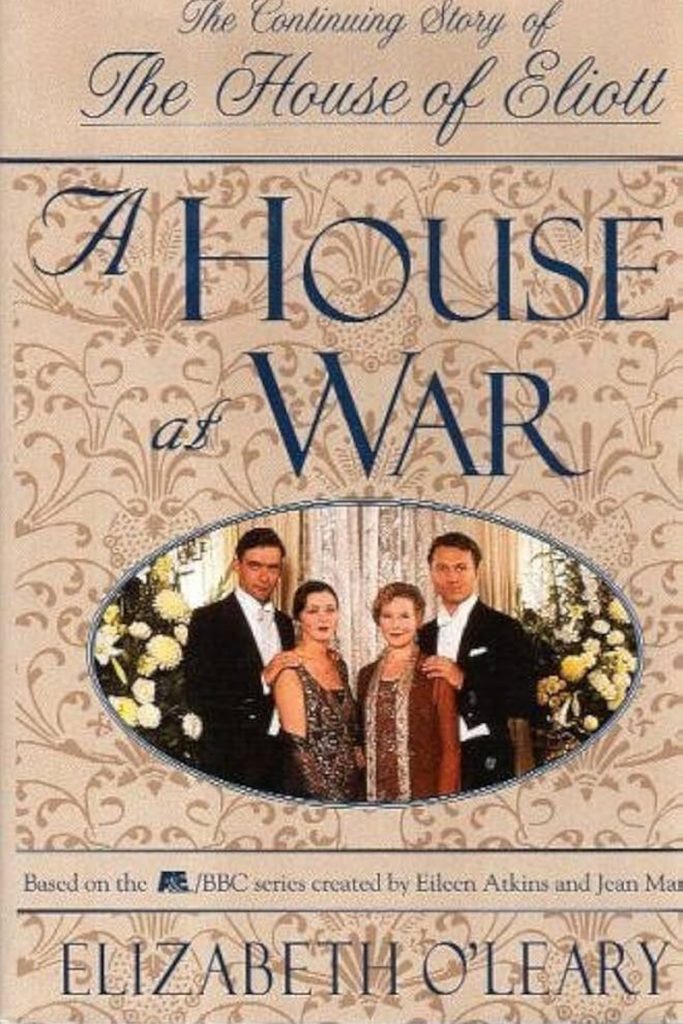
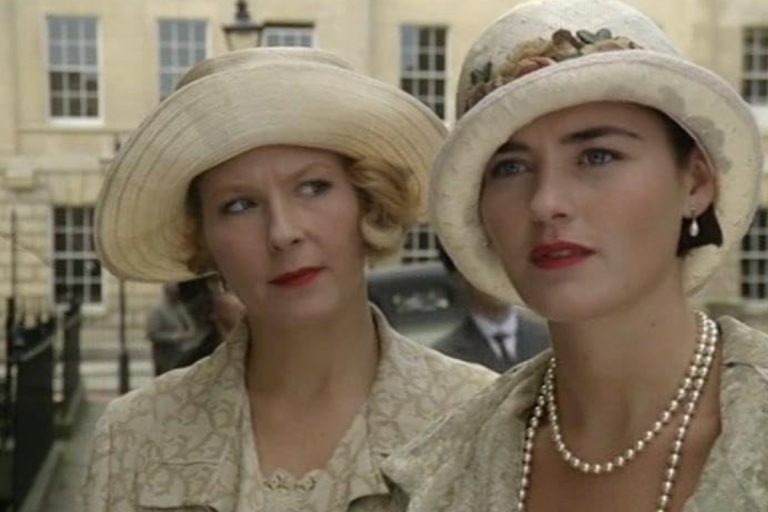
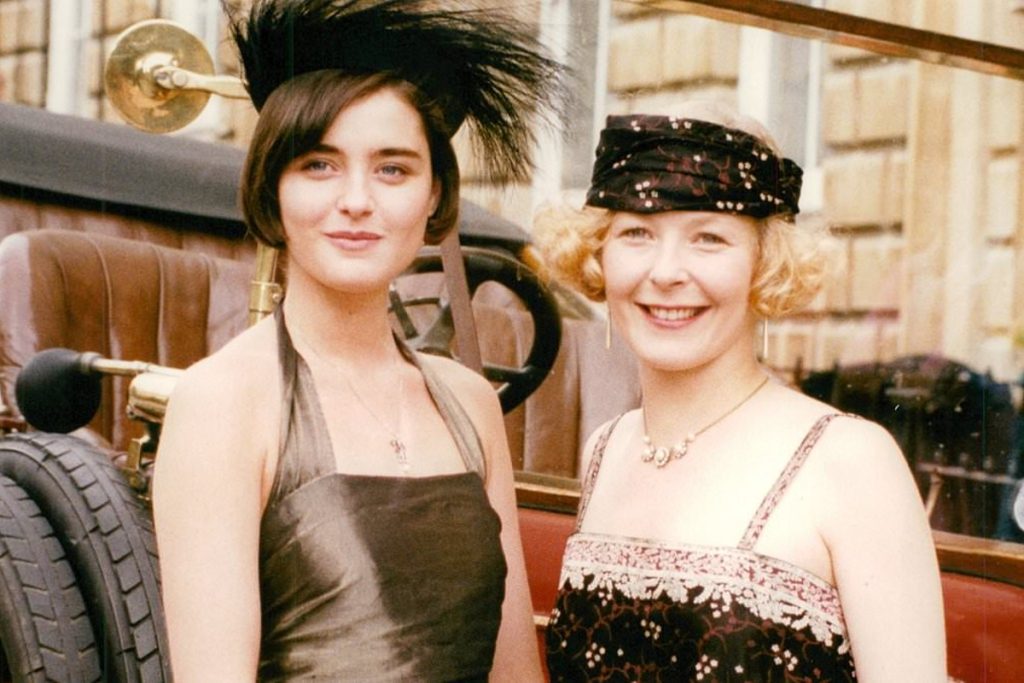
The House of Eliott is a British period drama set in the 1920s focusing on the Eliott sisters, Beatrice and Evangeline, who establish their own haute couture fashion house. The series was created by Jean Marsh and Eileen Atkins, who previously collaborated on the legendary Upstairs, Downstairs, which set the template for most period dramas that came later. House of Eliott debuted on the BBC on 31 August 1991 and had a total of 34 episodes over its three year run. Sadly, the series ended with a number of storylines unresolved as it was cancelled abruptly after some of the period costumes were destroyed in a fire.
When Beatrice and Evangeline Eliott lose their father unexpectedly in the spring of 1920, they relish the prospect of being able to make their own decisions after suffering years of oppression. After being told they have inherited their father’s estate, they dream of going to Paris but a meeting with their cousin, Arthur Eliott, a solicitor, dashes their hopes as their father’s estates has been entirely consumed by debt. Realising they have no skills to offer, Bea and Evie are forced to find employment and Bea takes on a job as a receptionist for Jack Maddox, a society photographer. The sisters are nicely contrasted with the older Bea becoming increasingly bitter as she learns the extent of their father’s betrayal and the much younger Evie still having a sense of innocence.
Jack Maddox has a pivotal role as he believes in the talent of the sisters and is very vocal about them starting their own business. While it is Evie who initially develops a crush on the worldly Jack, a romance eventually blossoms between Bea although it is quite tempestuous at times. The arrival of Penelope Maddox, Jack’s sister, adds a social element as Evie comes face to face with the poverty of the working class. There was a great deal of unrest in the 1920s as Britain was still recovering from the effects of the First World War and a series of ballots in the spring of 1920 would pave the way for a general strike the following year. Although the Eliott sisters are down on their luck, they are decidedly middle class and their situation is nothing in comparison to the plight of others who rely on charity.
In the third episode, we get to see Bea’s business skills for the first time as she completely takes over the organisation of Jack’s studio and later at Mrs. Partini’s workshop when both sisters get jobs with her. However, Bea is a tad too pushy with her ideas and stubbornly refuses to compromise which causes problems. When Bea issues an ultimatum to Mrs. Partini to either increase their pay or lose them both, the ploy backfires when Mrs. Partini accepts their resignations. The sisters are then employed by Georges Duroque of Mayfair but their time with his atelier is also short-lived as the sisters arrogantly believe their designs are far better and they are fired when Duroque believes they are trying to steal his customers.
On the personal front, the sisters learn they have a half-brother as a result of a longterm affair their father had and they finally get to meet him. Sebastian lays the charm on thick when he is around the sisters but his mask quickly slips when he questions Arthur Eliott about the money he thinks he may be due from his father’s estate. For once, you are cheering on Arthur who quickly puts Sebastian in his place despite his own scheming. While Bea is more hesitant about associating with Sebastian, Evie has no qualms about spending time with him but Sebastian’s interest in her gets a bit uncomfortable as it is more than brotherly. We eventually learn that Sebastian is not their brother and he pursues Evie but their budding romance ends in tragedy.
The House of Eliott is finally born as 1922 dawns but the sisters’ prospects are hampered when none of the banks will give them a loan but Jack comes through with a cheque as Arthur has lied about how much money they have made from the sale of their house. However, Arthur Eliott soon has significant problems of his own as a raid on the club he partly owns reveals his partners have been supplying drugs and shipping alcohol to the United States where Prohibition is in place. Although unaware of the shady dealings, Arthur is sentenced to 28 days in prison and fined 1000 pounds which makes him confess to having been less than truthful about the money the sisters actually have. Delighted with the turn of events, the sisters now have enough money to start their business but they are dismayed when they realise Arthur’s shenanigans have made them social pariahs.
Undeterred, the House of Eliott finally opens its doors and we are introduced to a host of new characters who will form the new workroom. The most prominent being Madge Howell, the new head seamstress, who doesn’t know when to keep her mouth shut – I like her already. Jack is starting to move into the world of film making which leads to the sisters gaining a significant commission for an entire wardrobe from an actress who is impressed with their designs. However, the cracks in Bea and Evie’s relationship have never been more evident as Evie celebrates her twenty-first birthday and is made a full partner in the business. As the sisters decide to it is time for the House of Eliott to showcase its first collection, Bea opts for more conservative designs while Evie wants to push the boundaries with more modern styles.
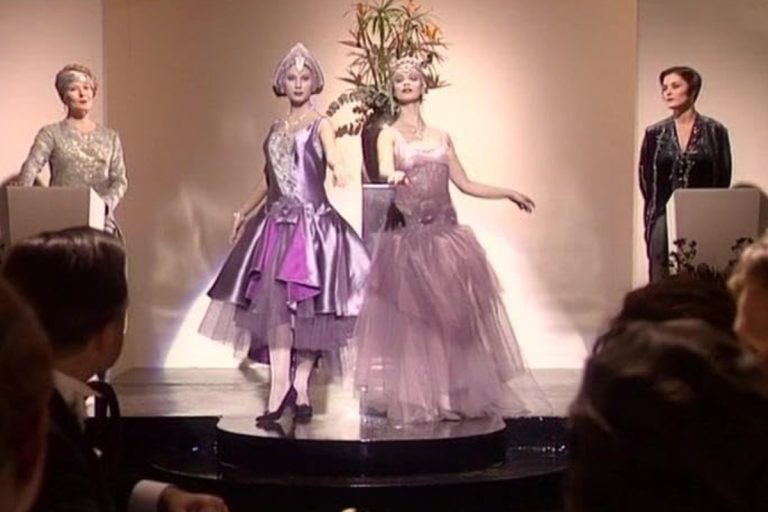
Bea and Evie are thrilled when Victor Stride (Anthony Valentine), a renowned fashion journalist, takes an interest in their work but the finished article focuses more on the activities of Arthur Eliott and the negativity threatens the launch of the collection. Stride tries to tell the sisters that his publisher edited the article against his will but they are too hurt to listen to him. Later, Stride tells them that he is now working for Couture magazine who want exclusive access to their collection and they agree to allow it. On the day of the show, everyone’s nerves are jangling with excitement but the sisters are confused when they are falsely accused of stealing ideas from a rival designer and customers start cancelling their orders. It’s a shame all the skulduggery ruined the House of Eliott’s first original collection, but those costumes were stunning and all credit goes to the costume designers who would go on to win a BAFTA and an Emmy for Costume Design in later seasons.
Further Reading
Explore the characters and books that inspired the series