Review
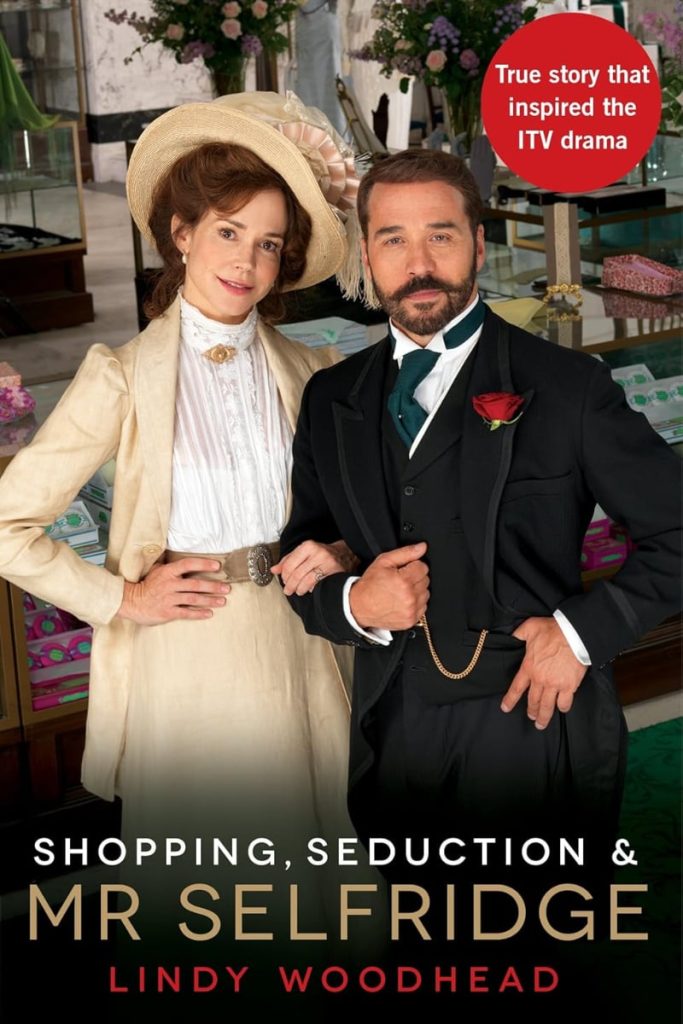
Mr Selfridge is a British period drama about Harry Gordon Selfridge who founded the Selfridges department store on Oxford Street, London, in 1908. The series is based on the book Shopping, Seduction & Mr Selfridge by Lindy Woodhead and follows Harry Selfridge’s journey from the moment the ground was first laid to the day he was ousted from the board. The series plays a little loose and fast with the dates as Harry appears younger on the series than he would have been in reality and he was not forced out until 1941 when he would have been in his eighties. For more background information, please see the post for Season 1.
The fourth and final season consisted of ten episodes and it began airing from 8 January 2016 to 11 March 2016 but the ratings were poor with an average of 3.49 million. The fourth season begins in 1928, nine years after the events of the previous season, and there are a number of notable absences from the cast and a welcome return for Lady Mae who is now Mae Rennard. The Roaring Twenties are in full swing as Harry appears to be gambling away his fortune and having ill-advised affairs with showgirls like the awful Dolly Sisters much to the disapproval of his family. Harry is still estranged from his son, Gordon, who is managing the northern branches of the Selfridges chain and appears to be very happy with his wife, Grace, and their children. Rosalie is still living at home with Harry and has a young daughter, Tatyana, but there is no mention of her husband Serge. Harry’s mother, Lois, is also still living with them but she dies in the second episode which plunges Harry into mourning once more.
Amongst all the chaos, Mae arrives back in London with hardly a penny to her name so Harry gives her a job at the store as a fashion designer with free range to develop her own fashion line. Mae was greatly missed last season so it is great to see her back and her new role gives her an opportunity to show different sides to her character. Mae takes on a black seamstress, Matilda Brockless, who is a gifted designer and defends her from the cruel taunts of the other ladies in the sewing room. It is also inevitable that close proximity to Harry also means there are definite sparks between them but Mae is reluctant to pursue a romance with Harry after everything they have been through. Instead Mae pursues a romance with Jimmy Dillon, a young financial adviser, which has dire consequences for Victor Colleano to whom Mae still has a fondness.
When Harry suffers a freak accident unveiling a new clock at the Queen of Time Exhibit, he is furious when the newspapers report that Selfridges is going to be taken over by Gordon and he ends up making some rash decisions about the future of the store to prove he is still capable of managing it. While Harry does reconcile with Gordon, he makes it clear he is still in charge and leaves Gordon feeling a little adequate. This is a problem that Gordon has endured since the start of the series but he gets far more confident as this season progresses until it reaches the point where Harry has to seek his help. After the death of his mother, Harry gets more and more out of control and it seems like Jeremy Piven is having a great time exploring Harry’s decline. Spurred on by Jimmy Dillon, Harry launches new stores on the continent and is unconcerned about how this will affect his family especially when he is forced to sell the northern branches later on.
Harry’s rashness continues when he decides to bankroll a movie featuring the annoying Dolly Sisters instead of paying off his gambling debts. The Dolly Sisters, Rose and Jenny, were real life twin performers who were hugely popular in the 1920s but towards the end of the decade their popularity had started to decline and they spent most of their money on gambling. Harry Selfridge started an affair with Jenny in 1925 and he funded their lavish lifestyle to the tune of $4 million. On the show, Harry becomes increasingly tired of paying for everything and when he discovers Jenny has been having an affair, he cuts them off. The Dolly Sisters are generally shown as drunken spendthrifts on the show who cause more trouble than anything else so it is a relief when Harry grows tired of them.
The staff at Selfridges all seem to be undergoing their own period of transition as George Towler, now married to Connie Hawkins, announces they are having a baby which makes Kitty contemplate her own marriage. Kitty and Frank’s marriage comes under strain when Frank has a brief encounter with a female journalist and Kitty throws him out. When she is offered the job of a lifetime in New York by Elizabeth Arden, Kitty decides to take the job and looks forward to a new start. However, Kitty realises that Frank is still a big part of her life and they reconcile before leaving together for New York. Josie Mardle, having been absent for a few years, visits London in time to learn that Roger Grove is terminally ill so she decides to stay for awhile and they eventually marry. Poor Josie finally gets what she wants only to lose it soon after when Roger dies alone in the garden. Josie’s grief is heartbreaking and the scenes with Meryl Grove, Roger’s eldest daughter, are particularly moving.
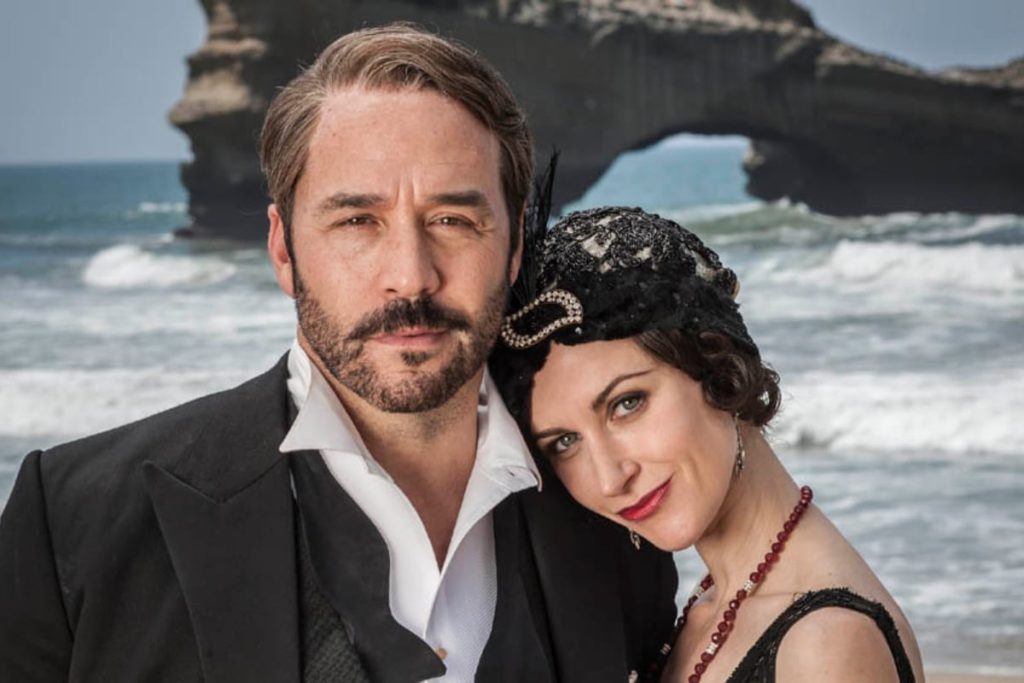
As Harry’s financial problems finally get the better of them, he is removed from the board of Selfridges and it is a particularly sad sight watching him leave the store for the last time as the staff gather to offer their appreciation. However, Harry isn’t alone for long as Mae is waiting outside the store for him and they soon head off together.
Further Reading
Explore the characters and books that inspired the series