Review
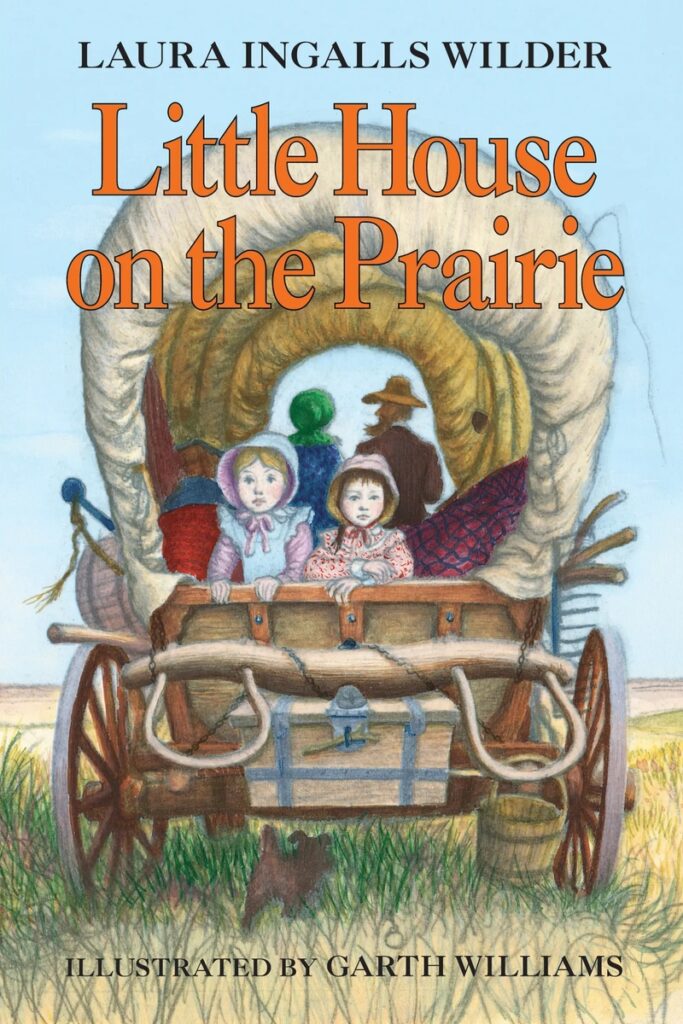
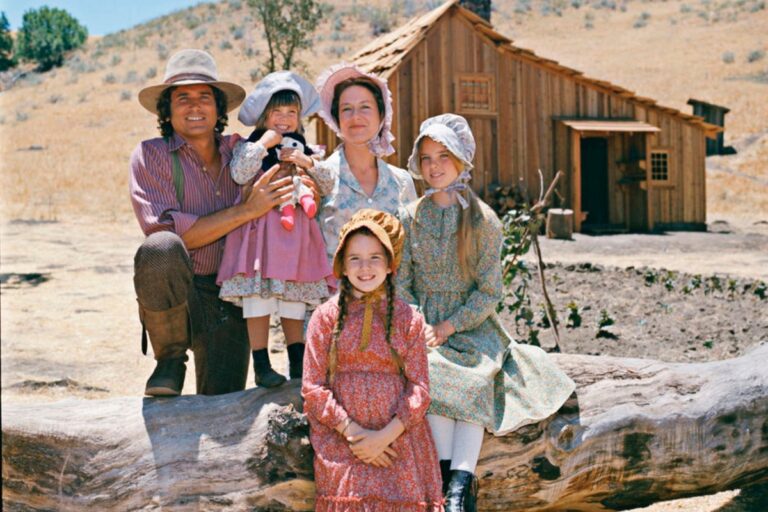
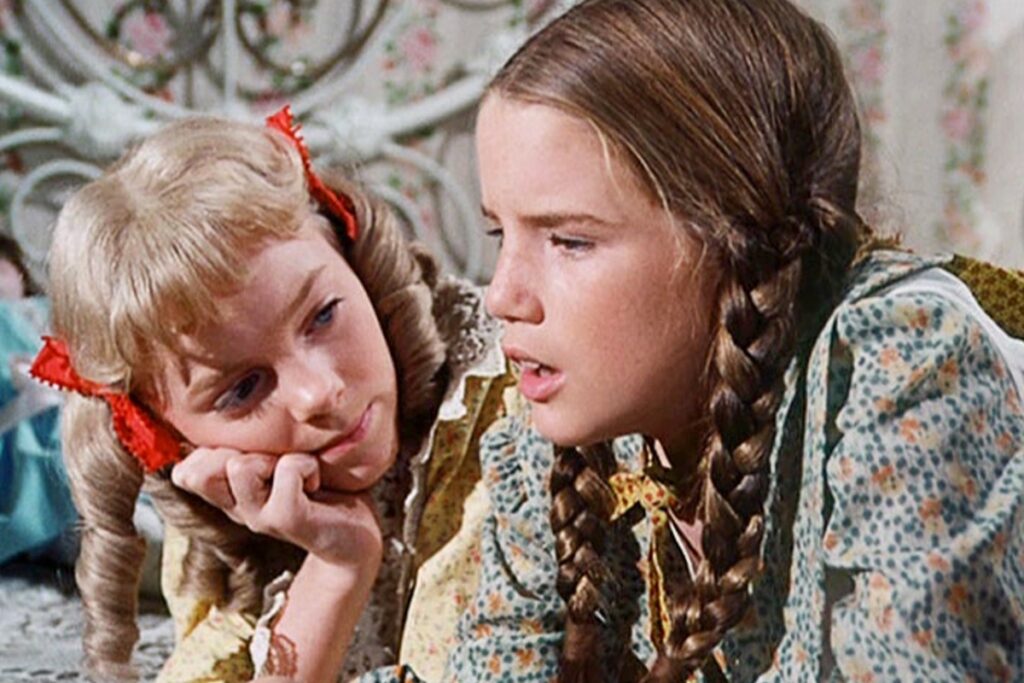
The second season of Little House on the Prairie began airing on 10 September 1975 to 31 March 1976 and consisted of 22 episodes. The Ingalls family continue their battle against nature and are always just one disastrous crop away from poverty. Laura and Mary continue to face numerous challenges, especially at school, however romance is in the air for both. The town continues to be a close knit community as they band together to face adversity, but there are a lot of humorous moments to lighten the mood. Nellie and her mother are becoming increasingly nasty but they usually end up getting their comeuppance. There are also some darker themes explored like drug addiction and racism which are more indicative of the time the show was made.
One of the biggest changes we see is with Mr. Edwards who becomes a family man when he marries Grace Snider so they can adopt the Sanderson children after they are orphaned. The romance between Edwards and Grace has been bubbling along for a while now with Edwards reluctant to make that last commitment, but his growing love for the three children, especially little Alicia, gives him the push he needs. There are some ups and downs as they all get used to each other but things are soon running smoothly.
The second season begins with The Richest Man in Walnut Grove with has a very similar storyline to A Harvest of Friends from the first season with the Ingallses facing financial problems as a result of a mill customer defaulting on a payment. When Hansen has to close the mill, Charles can’t pay the bill at the mercantile which makes Harriet unhappy. Once again the family rallies as Charles takes on a few different jobs around town and Mary leaves school temporarily to work with Mrs Whipple. When the money is finally raised, the entire family march into the mercantile to pay the debts in full. This story is bookended with the last episode in season two, Going Home, where Charles faces another setback and decides to sell the farm without consulting the rest of the family.
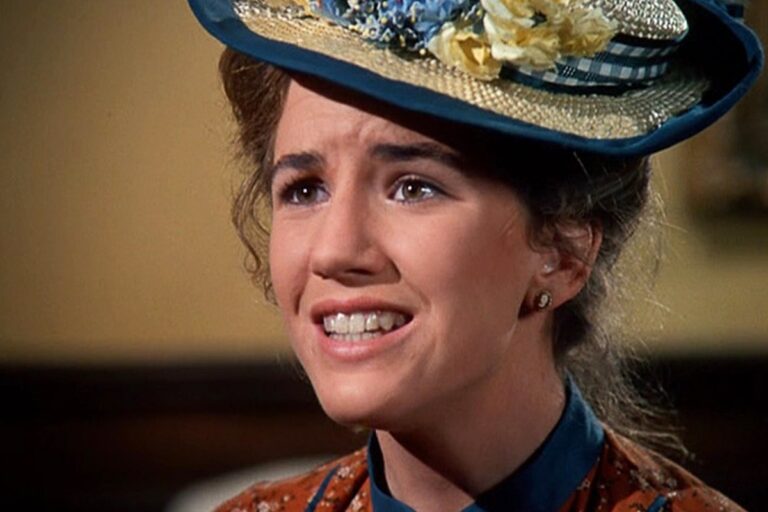
There are a few episodes that foreshadow the fate of certain characters and the second episode, Four Eyes, deals with Mary uncharacteristically failing at school as a result of her failing eyesight. While the situation is improved by the purchase of some spectacles, we just know that this particular storyline will be revisited in the future. In the meantime, Mary has to learn to live with the taunts of Nellie and Willie who make fun of her spectacles. The enmity between Laura and Nellie develops a lot this season with The Talking Machine, an episode whereNellie and Laura fall for the same boy at school and Nellie uses a recording device to humiliate Laura in class. The Olesons also accompany the Ingallses on a camping trip in The Campout when the children are given a new science project but Harriet is completely out of her depth and hilarious antics ensue before Nellie accuses Laura of trying to drown her.
However, the most poignant episodes are the two-parter, Remember Me, which introduces the Sanderson family with Oscar winner Patricia Neal as their terminally ill mother, Julia. Determined to find her children a new home before she dies, Julia enlists the help of Charles but it proves to be a tough task as no one wants to take all three. Realising the children will be separated, Edwards finally proposes to Grace so they can adopt the children. The episode is particularly powerful as Patricia Neal plays the dying Julia in a matter of fact way as there is no room for sentimentality. At her funeral, Reverend Alden reads a poem that Julia wrote: “Remember me with smiles and laughter, for that’s the way I’ll remember you all. If you can only remember me with tears, then don’t remember me at all.” The poem was written by Michael Landon and it was read at his own funeral by Melissa Gilbert.
The arrival of the Sanderson children adds a new element into the series as Edwards has to negotiate the perils of fatherhood which proves to be hard going, especially with John Jr with whom he has little in common. John Jr often has his head in a book and has no intention of becoming a farmer but Edwards cannot understand how anyone could make a living from writing. Edwards tries to make John Jr more like himself by taking him camping but it almost ends in tragedy when Edwards is attacked by a bear. This storyline will be revisited in Season Three with Mary’s friendship with John Jr becoming something more.
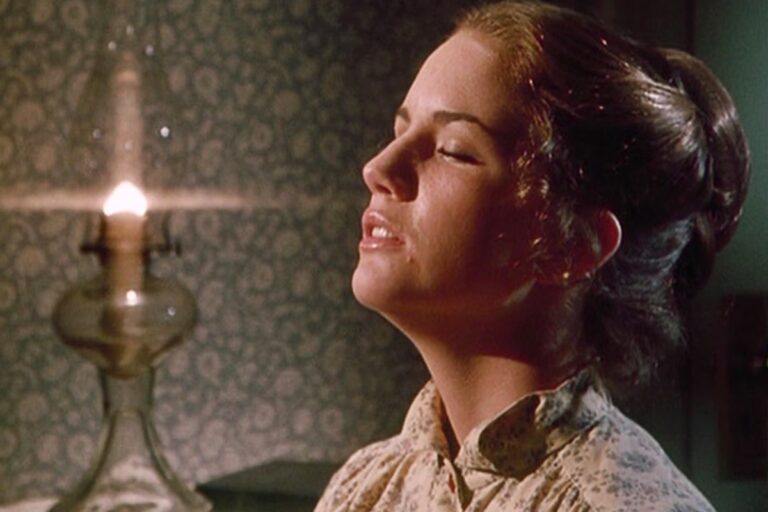
Modern storylines are also more prevalent this season as we encounter racism in The Long Road Home when Charles and Edwards have to take on extra work and are offered $100 dollars to haul highly volatile explosives. They are accompanied by Henry Hill (Lou Gossett), a black man, and Murphy (Richard Jaeckel) who is a racist. There is also a powerful episode, Soldier’s Return, which deals with the topic of drug addiction as Granville Whipple (Richard Mulligan), a Civil War hero and the son of seamstress Mrs. Whipple (Queenie Smith), returns to Walnut Grove to resume his career as a music teacher. However, Granville’s injuries in the war led to him developing an addiction to morphine and although he claims to have overcome this, he is obviously still suffering from post traumatic stress and the desire to take morphine is still strong.
Further Reading
Explore the characters and books that inspired the series